Navigate the World of Exotic Pet Care: Your Guide to Happier Pets
The Exotic Pet Care you choose can significantly impact your pet’s health and happiness. If you’re a resident of Oakland Park, FL, and have a cherished exotic animal companion, knowing how to provide the best conditions for their care is crucial. In this blog, we’ll delve into essential tips and practices you can adopt to ensure your exotic pet lives a healthy and content life under the guidance of Oakland Park Animal Hospital.
Understanding the Unique Needs of Exotic Pets
Exotic pets, ranging from reptiles and amphibians to birds and small mammals, each have their distinct care requirements. Unlike the more common household pets like dogs and cats, exotic species often require specialized environments that mimic their natural habitats. This includes precise temperature settings, humidity levels, dietary needs, and social interaction. Knowing these needs is the first step towards offering exceptional care.
For example, reptiles often require a carefully controlled environment with UV lighting and specific thermal gradients, while birds may need interactive toys and sufficient space for flight. Understanding these unique requirements is vital in preventing health issues and behavioral problems. To accommodate such diverse needs, consulting with veterinary professionals who specialize in exotics can provide crucial insights and guidance.
Regular Veterinary Visits: A Priority, Not an Option
Frequent health check-ups with an experienced exotic pet veterinarian are paramount. Not only do these visits help in diagnosing health issues early, but they also provide insights into behavioral changes or environmental needs. Exotic animals can be adept at hiding symptoms of illness, so regular veterinary attention can catch potential problems before they become serious health concerns.
At the Oakland Park Animal Hospital, we offer routine examinations that include a thorough assessment of diet, living conditions, and physical health. By establishing a baseline health profile for your exotic pet, you help ensure their long-term wellness and quality of life.
Crafting a Nutritious and Balanced Diet
A critical component of exotic pet care is formulating an appropriate diet tailored to meet your pet’s specific nutritional needs. Unlike traditional pets, exotic animals often require specialized diets that may include live prey, particular plant species, or commercially prepared specialty feeds. Offering an improper diet can lead to nutritional deficiencies or health complications like obesity or metabolic bone disease.
Consulting with a veterinarian knowledgeable in exotic species is essential to develop a diet plan that fosters health and longevity. They can recommend specific food products and feeding schedules, ensuring that your exotic pet receives the right balance of nutrients.
The Importance of an Enriched Environment
Environmental enrichment is not just a luxury for exotic pets—it’s a necessity. Providing a stimulating environment helps keep your pet mentally engaged and physically active, which is crucial for their overall well-being. In their natural habitats, these animals engage in a variety of activities that challenge them both mentally and physically.
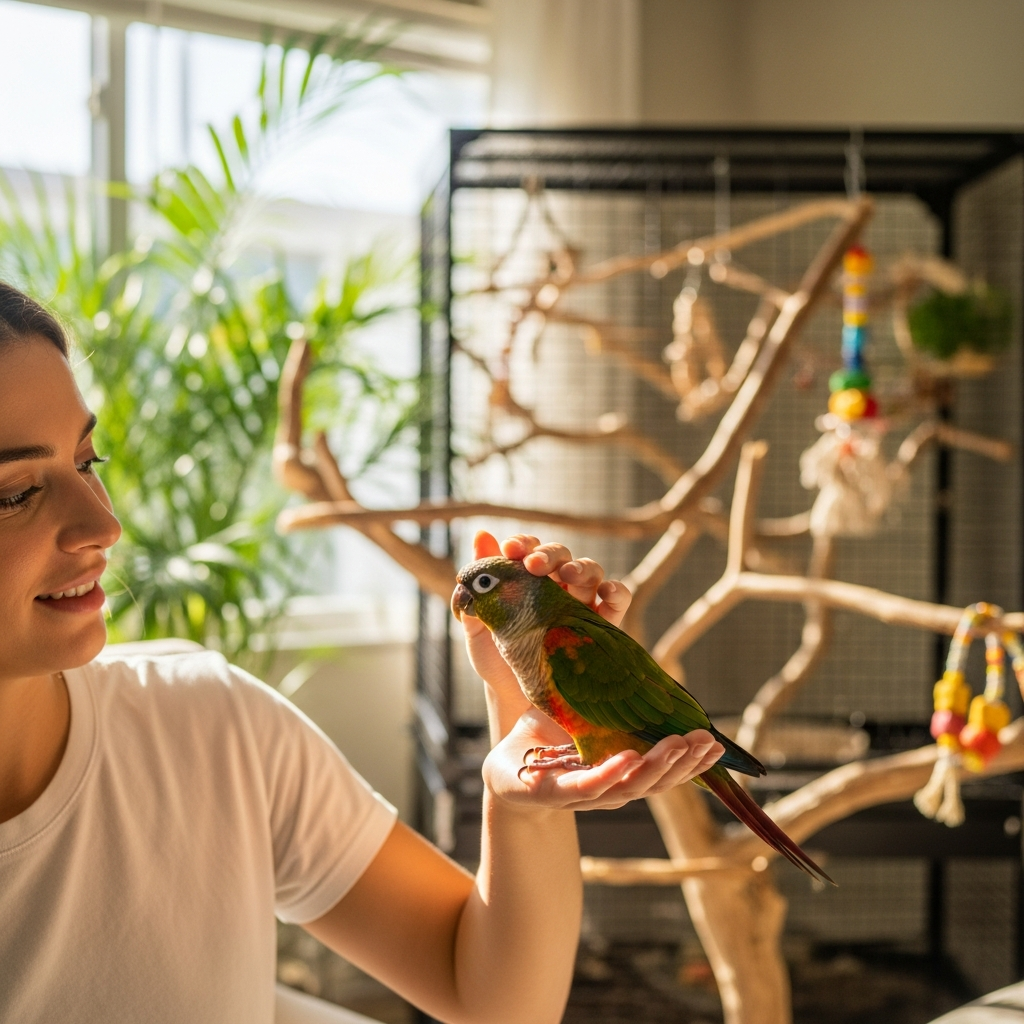
In captivity, you can simulate these conditions by incorporating obstacles, hiding spots, interactive toys, and food puzzles into their living spaces. Regularly rotating these elements can prevent boredom and encourage natural behaviors. For birds, offering a range of perches and toys can help their mental stimulation, while reptiles may benefit from varied terrain and hiding areas within their enclosures.
Behavioral Observation and Interaction
Paying close attention to your pet’s behavior is crucial in identifying early signs of distress or illness. Exotic pets often communicate their needs through subtle changes in behavior—a bird may pluck its feathers, a reptile might become lethargic, or a rodent could stop eating. Being observant allows you to notice these changes and seek professional advice promptly.
Human interaction, when appropriate for the species, also contributes to their emotional health. Gentle handling and social interaction can be enriching and comforting for many types of exotic pets. Understanding your pet’s specific social needs—whether they thrive in solitude or require more interaction—can greatly enhance their quality of life.
Final Thoughts on Exotic Pet Care
Caring for exotic pets can be incredibly rewarding, offering insights into the fascinating world of these unique creatures. By committing to regular veterinary consultations, providing a balanced diet, ensuring environmental enrichment, and monitoring your pet’s behavior, you’re setting a foundation for a healthy and happy life for your pet. Remember, when in doubt, never hesitate to seek expert advice from professionals specialized in exotic species.
For pet owners in Oakland Park, FL, who are seeking comprehensive guidance tailored to their unique pets, Oakland Park Animal Hospital stands ready to assist with specialized services and deep expertise in exotic animal care. Whether you’re caring for a curious cockatiel or a mischievous ferret, ensuring their needs are met is paramount to the longevity and happiness of your cherished pet.