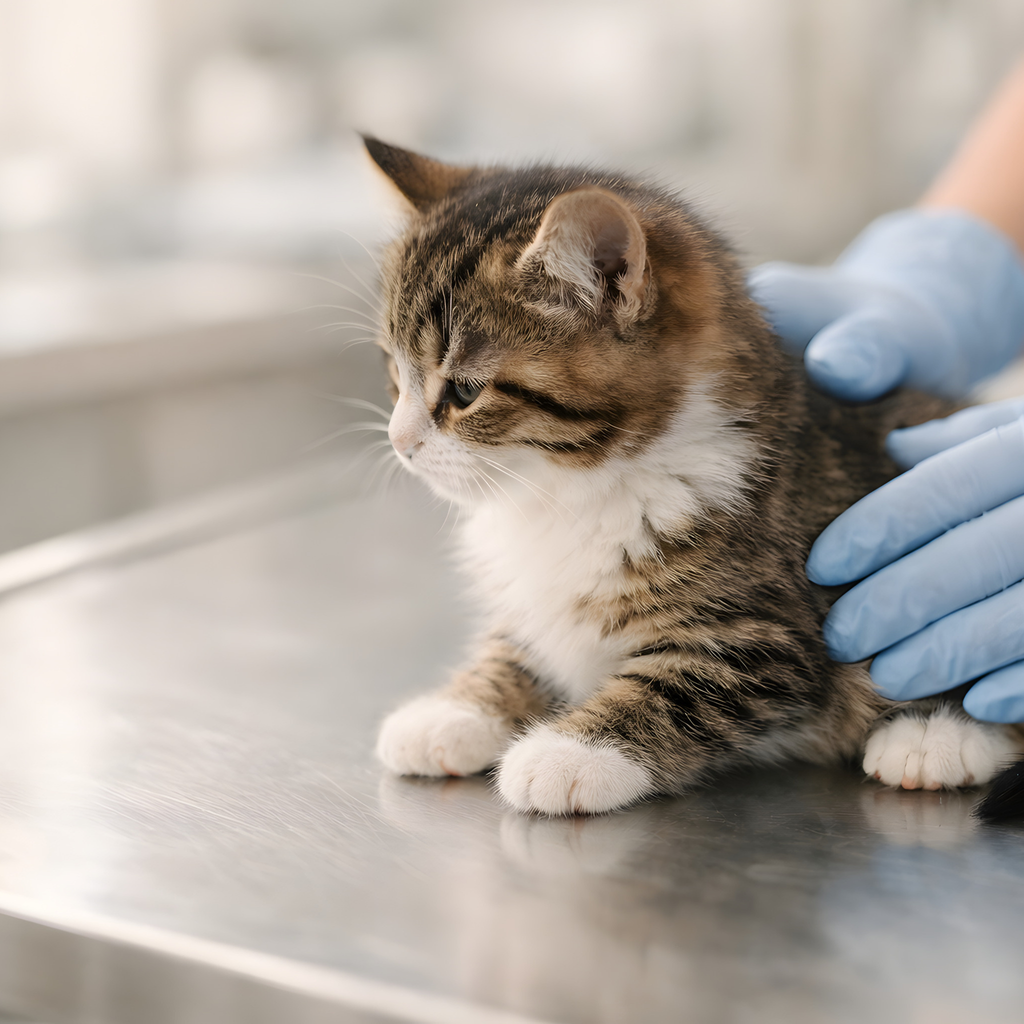
A vaccine reminder shows up in your inbox, and the questions start right away. Which shots does your cat actually need this year? Is the extra vaccine your veterinarian mentioned truly necessary, or does it feel more like an upsell? Does an indoor cat that never encounters another animal need the same protection as one who roams the neighborhood? These are fair questions, and the answer comes down to a simple distinction between two categories of feline vaccines, the ones every cat should get and the ones that depend on how your cat actually lives.
At Oakland Park Animal Hospital, we sort every vaccine recommendation into one of these two categories before we ever pick up a syringe. Rather than handing every cat the same checklist, our team reviews age, indoor or outdoor access, and any time spent boarding or around other animals before deciding what belongs on your cat’s plan. You can see how this fits into our broader approach to preventive care on our wellness and vaccinations page, which walks through the full picture of what keeps a cat healthy between visits.
What Core Vaccines Cover
Core vaccines are the ones every cat should receive, no matter how much time they spend outdoors or how many other pets share the house. The FVRCP vaccine falls into this group, protecting against feline herpesvirus, calicivirus, and panleukopenia, three diseases that spread easily and can turn serious fast, especially in kittens. Rabies is also core, both because it is required by law in most places and because it remains fatal once symptoms appear, even in cats that never step outside. According to the 2020 AAHA and AAFP Feline Vaccination Guidelines, these baseline vaccines protect cats regardless of lifestyle, which is why we recommend them across the board, no exceptions.
For kittens under one year old, the feline leukemia virus vaccine also counts as core, since young cats are more vulnerable to the virus regardless of whether they will eventually live full time indoors. We cover this initial series, along with the rest of the early vaccine schedule, during our puppy and kitten care visits, so new kittens start off protected from day one. This timing matters, since the series only works when the doses are spaced correctly as a kitten’s immune system matures.
When Non-Core Vaccines Make Sense
Non-core vaccines work differently. Instead of applying to every cat, they depend on how much exposure your cat actually has to other animals and the outside world. FeLV falls into this category once a cat turns one year old, since ongoing risk depends heavily on whether that cat spends any time outdoors or lives with a cat who does. Chlamydia felis and Bordetella bronchiseptica vaccines are also non-core, generally reserved for cats in multi-cat households where an infection has already been confirmed among housemates.
A few factors tend to shift a cat toward needing one or more non-core vaccines.
- Any outdoor access, even occasional time on a porch or balcony
- Regular boarding, grooming, or stays where your cat mixes with unfamiliar animals
- Living with other cats, particularly if any of them go outside
- Travel to areas where a specific disease is more common
Once we know where your cat falls on this list, deciding which non-core vaccines make sense becomes far more straightforward than trying to apply the same schedule to every patient. We would rather ask a few extra questions at your visit than recommend a vaccine your cat does not actually need.
Building a Vaccination Plan for Your Cat
Deciding what belongs on your cat’s vaccine schedule works best as part of a broader wellness conversation, not a rushed decision at checkout. During your cat’s annual exam, our veterinarians walk through any changes in lifestyle, from a new cat joining the household to an upcoming boarding stay, before updating the plan. In some cases, our advanced diagnostic testing can check whether a booster is even needed yet, rather than automatically repeating a vaccine on a fixed schedule.
This kind of individualized care is something families in Oakland Park have relied on for more than 40 years. Many of the cats we vaccinate today are the second, third, or later generation a household has brought to us, which tells us the plans we build together tend to hold up over time. That kind of long-term trust is also why we built our Stay Well program around the same idea, spreading preventive care out across the year instead of cramming it into one visit.
Trust Oakland Park Animal Hospital With Your Cat’s Vaccine Schedule
Our doctor-owned team at Oakland Park Animal Hospital, led by Dr. Spencer L. Ratnoff, believes every cat deserves a vaccine plan built around their actual life, not a generic checklist. We treat every visit as a chance to catch small changes early and keep your cat protected against the diseases that matter most for their situation.
If your cat is due for an exam, or you would like to review which vaccines still make sense at their current age and lifestyle, our team is ready to help you sort it out together. Contact our office to schedule a visit and get your cat’s vaccine plan up to date.