Birds, reptiles and small mammals seen in house, about ten to fifteen minutes from central Fort Lauderdale.
Bearded dragons, cockatiels, rabbits and chinchillas need a different kind of attention than a dog or cat, and finding a veterinarian who treats them can take real searching. Oakland Park Animal Hospital cares for birds, reptiles and small mammals in house, about ten to fifteen minutes from central Fort Lauderdale.
We are doctor-owned, not part of a corporate chain, and we have been caring for pets in Broward County since 1987. Dr. Spencer Ratnoff, our Owner and Medical Director, is a member of the American Veterinary Medical Association, the Broward County Veterinary Association, and the Florida Veterinary Medical Association. Your exotic pet is treated as a full member of the family here, whether it walks, hops or perches, and a household with several kinds of pets can use one hospital for everyone. You can read more about our exotic pet care services.
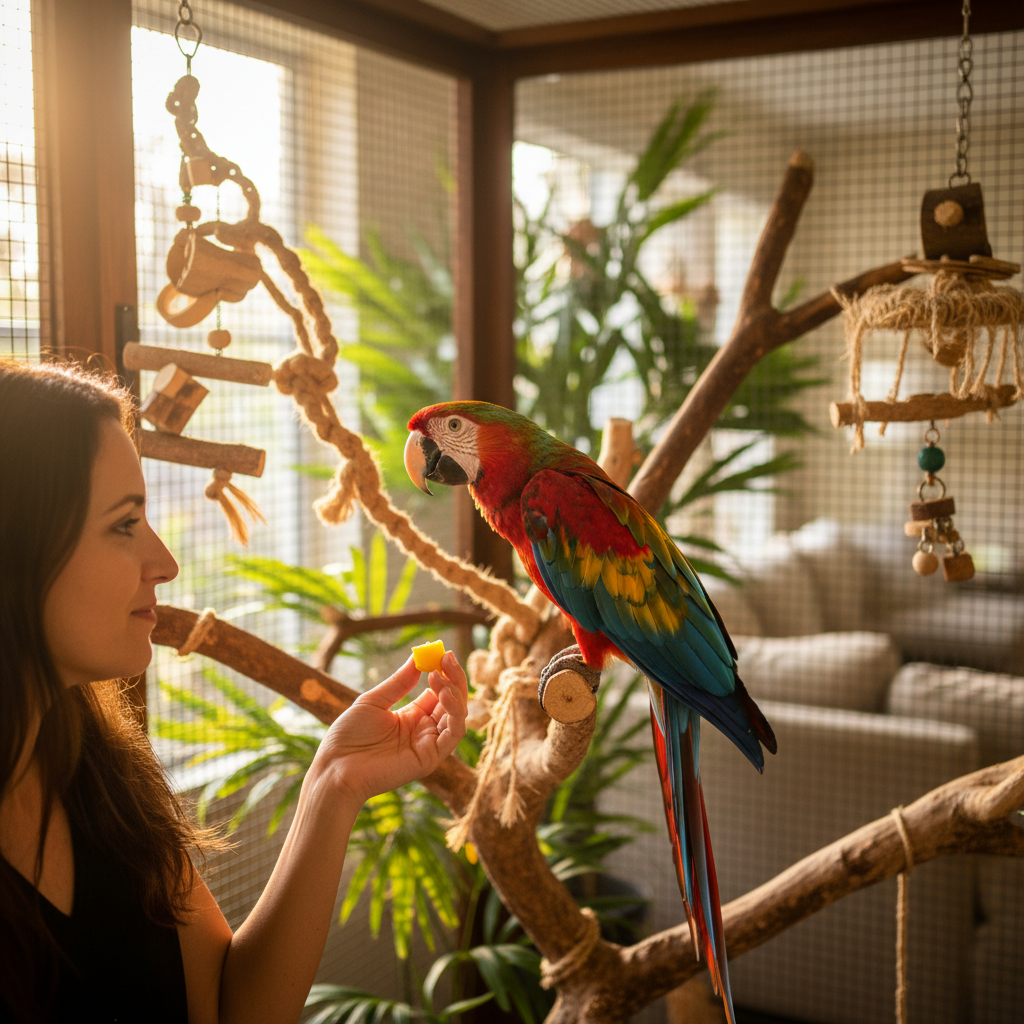
Cockatiels and other companion parrots, with husbandry and nutrition guidance suited to their needs.
Bearded dragons and similar species, with attention to lighting, temperature and habitat setup.
Rabbits, guinea pigs, chinchillas and ferrets, with routine checkups and nutritional counseling.
Husbandry and behavior-based wellness evaluations across every species above.
One hospital for every pet in your household.
Because these species differ so much from one another, we tailor every visit to the animal in front of us instead of applying a dog-and-cat routine. If you have them, bring photos of your pet’s enclosure or a list of what it eats. They help us a great deal.
The best exotic vet for your pet is one that sees your species regularly, examines it with species-specific methods, and has a plan for after-hours emergencies. These four questions are a good way to compare any clinic, including ours.
We are a general practice that keeps exotic care in the same hospital as dog and cat care. If your pet needs a service we do not offer, or a dedicated exotic specialist, we will tell you honestly and help you find the right place.
Many exotic animals are remarkably good at hiding illness. A bird can seem perfectly normal one week and be seriously ill the next, because instinct tells prey species not to show weakness. By the time an owner sees a change, the problem has often been building for some time.
That is why our wellness visits rely on careful, species-specific handling and examination, and why we spend as much time talking with owners as we do examining pets. So much of an exotic animal’s health is decided at home, and the right lighting, temperature, diet and enclosure can be the difference between a thriving pet and a string of avoidable illnesses. If you have noticed anything odd about your pet’s eating, droppings, breathing or behavior, write it down before the visit.
Fort Lauderdale’s hurricane season runs from June 1 through November 30, and a power outage can hit exotic pets harder than dogs or cats. Reptiles depend on heat and lighting that stop when the power does, and many birds are sensitive to sudden temperature swings. A little planning before a storm makes a big difference.
Keep a secure travel carrier or cage ready for each pet, plan a backup way to keep a reptile’s habitat warm, and keep your pet’s records and food supply where you can grab them. Birds should keep any leg band on for identification. Ready.gov has a helpful starting point in its guidance on preparing pets for disasters. Ask us about a plan for your species before a storm is on the map.
We remember what it feels like to bring home a new pet and realize how many questions you did not know to ask. Before pickup, confirm that temperature, humidity and lighting match your pet’s specific species, and check that Florida allows you to keep it, since the state restricts some nonnative reptiles. After you bring your pet home, schedule a wellness visit so we have a healthy starting point to compare against later.
Just as older dogs and cats need a different kind of attention, so do senior birds, reptiles and small mammals. We watch for the specific patterns that tend to appear as exotic pets grow older, and we adjust monitoring the same way we do for our senior dog and cat patients.
Owners reach us from across Fort Lauderdale, including Victoria Park, Coral Ridge, Las Olas and neighborhoods near downtown. The drive north on US-1 or I-95 takes about ten to fifteen minutes, a short trip for a doctor who will know your pet’s history next year and the year after that. Saturday hours run 8 a.m. to 5 p.m., and calling ahead lets us know which species you are bringing so the team can prepare.
We also offer Cherry and CareCredit financing and our own Stay Well Pet Plan, so ongoing care does not have to come as a surprise bill. If your household includes a dog or cat as well, we can care for the whole family at one hospital.
Oakland Park Animal Hospital has cared for Broward County pets since 1987, and we keep exotic care in the same hospital as dog and cat care, so you do not have to search for the one vet in town who understands your pet.
If you are in Fort Lauderdale and ready to schedule a visit, or you simply have a few questions about caring for your bird, reptile or small mammal, call (954) 731-4228 or request an appointment. We would be glad to welcome your exotic pet into the Oakland Park Animal Hospital family.
Schedule a visit with our compassionate team and let’s partner in your pet’s lifelong well-being.
By submitting your phone number, you understand we may send text messages to this number containing relevant information.